
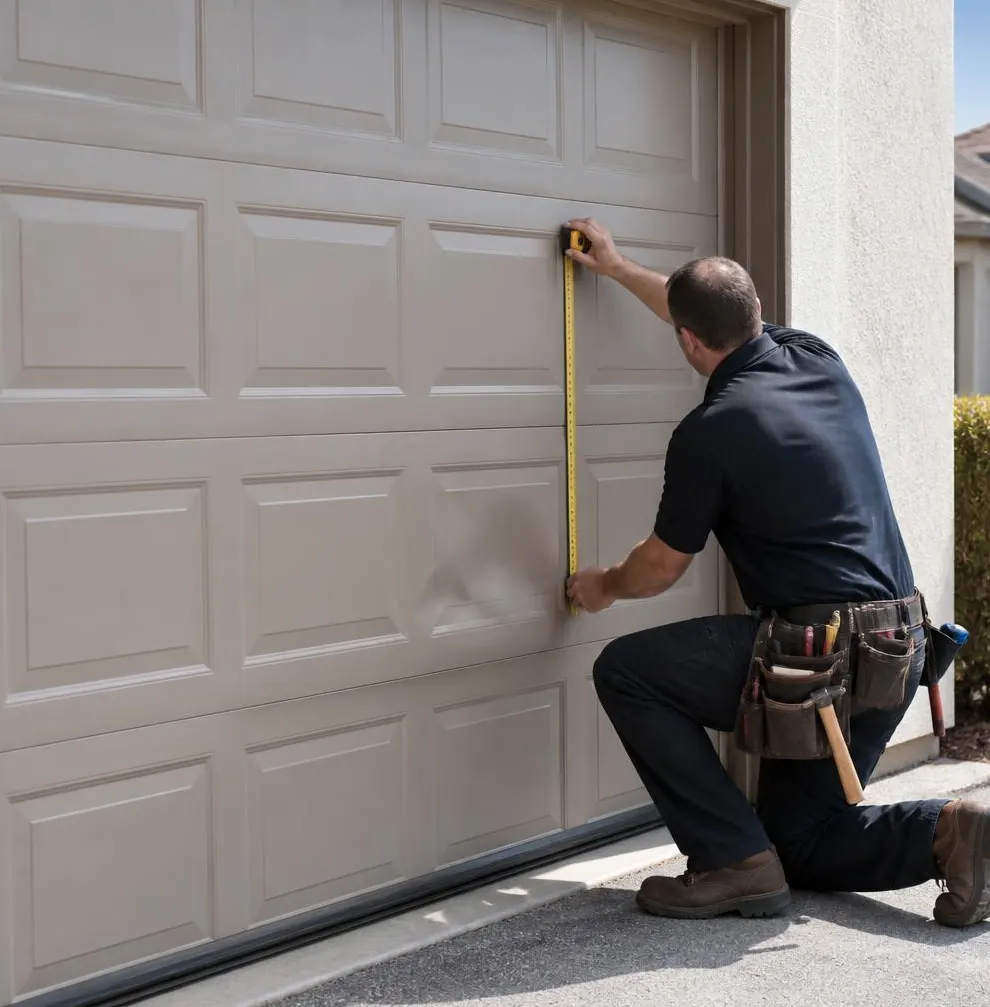
The Mistake Most Homeowners Make First
The door hesitates, groans, or the bottom edge seems glued to the slab, and the first instinct is to just hit the opener button again — harder, or a few times in a row. It's tempting because the door usually does eventually lurch into motion, so it feels like a one-time hiccup rather than a real problem. But repeatedly forcing a door that's dragging puts extra strain on the opener's gears, the drive belt or chain, and the cables, and it can turn a five-minute fix into a same-day spring or cable repair. If the door is slow, noisy, or uneven on a cool morning, stop clicking the remote and look at what's actually happening before you add more force.
Symptoms to Watch For
- The door is noticeably slower going up or down than it was a few weeks ago
- You hear a grinding or scraping sound right as the door starts to move
- The bottom weatherstripping looks like it's peeling off the concrete, or there's a faint ripping sound at the start of the opening cycle
- The opener's motor sounds like it's working harder than usual, or the door reverses partway up
- One side of the door lags behind the other, so the door looks slightly crooked as it travels
None of these mean the door is literally frozen — Cocoa Beach doesn't get hard freezes — but a cool, damp morning after weeks of hot, humid weather can make a door behave almost the same way, and the underlying causes are worth checking in order.
What a Technician Checks First: The Seal
After an afternoon downpour, the rubber weatherstripping along the bottom of the door can sit in a thin film of water overnight. When temperatures drop even into the 50s or low 60s, that rubber stiffens and can actually stick lightly to the damp concrete, especially on an older seal that's already swollen from months of humidity. The fix is simple: gently pry the seal free along its length rather than letting the opener yank it loose, and if it's cracked, flattened, or chronically swollen, replace it. A new seal is inexpensive and prevents the sticking from recurring every time the weather shifts.
Next: Rollers and Track
Salt air does steady damage to steel rollers and track, even on doors that look fine from the driveway. Surface rust adds friction, and once that friction combines with cooler, stiffer lubricant, the rollers can hang up in the track instead of rolling smoothly. A technician checks each roller by hand, looking for flat spots, pitting, or rust buildup, and checks the track for dents or debris left over from hurricane season. Fixes range from cleaning and lubricating the track to replacing a handful of worn rollers, which is far cheaper than letting them wear unevenly and pull the door off-track.
Then: Lubrication Type
Many homeowners lubricate with whatever is in the garage, including WD-40, which isn't a true lubricant and thins out fast in heat. A lubricant that was fine on a 90-degree day can thicken slightly as temperatures dip, adding drag right when the door needs to move smoothly. The fix is switching to a silicone-based garage door lubricant on hinges, rollers, and the torsion spring itself, applied lightly along the full length of the spring and hardware.
Then: Spring Tension
Metal contracts slightly as it cools, and a torsion spring that's already fatigued from months of humidity and salt exposure can feel noticeably tighter or stiffer on a cool morning. This is checked by watching how the door balances when disconnected from the opener — if it drops fast or barely moves, the spring tension needs adjustment or the spring needs replacing. This is not a DIY step; torsion springs are under heavy tension and require the right tools and experience.
Last: Opener Force Settings
If everything mechanical checks out but the opener still strains or reverses, the force and limit settings may need recalibrating so the opener isn't compensating for drag that no longer exists once the rest is fixed.
When to Call Cocoa Beach Door & Opener
If your door is sticking, grinding, or running unevenly, Cocoa Beach Door & Opener can run through this exact sequence during a Garage Door Maintenance & Tune-Up — checking seals, rollers, lubrication, and spring balance — and handle Garage Door Spring Repair on the spot if a spring is the culprit. Call us for fast, local service anywhere from Cocoa Beach to Cocoa and Rockledge, and get your door moving the way it should before the next cold front rolls through.